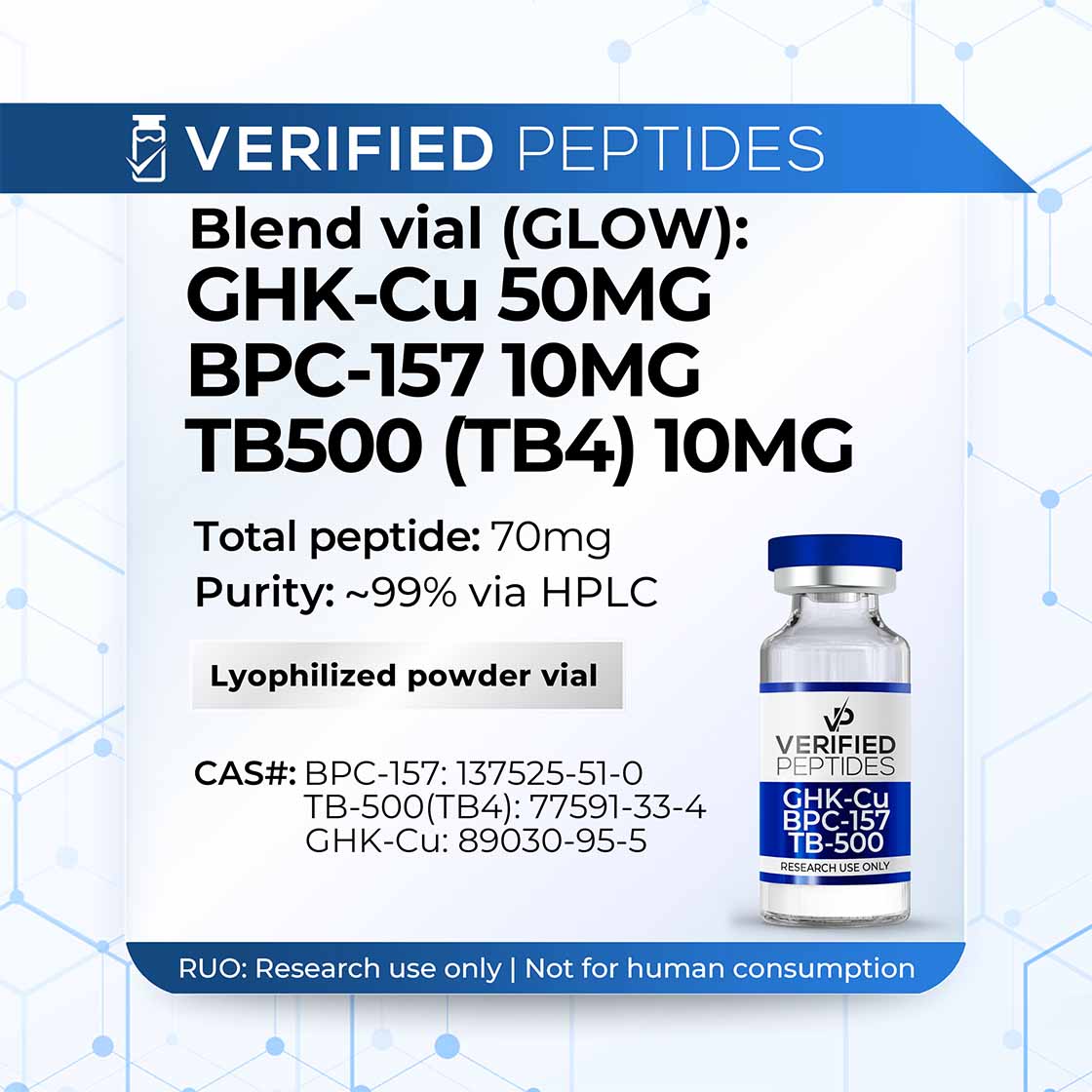
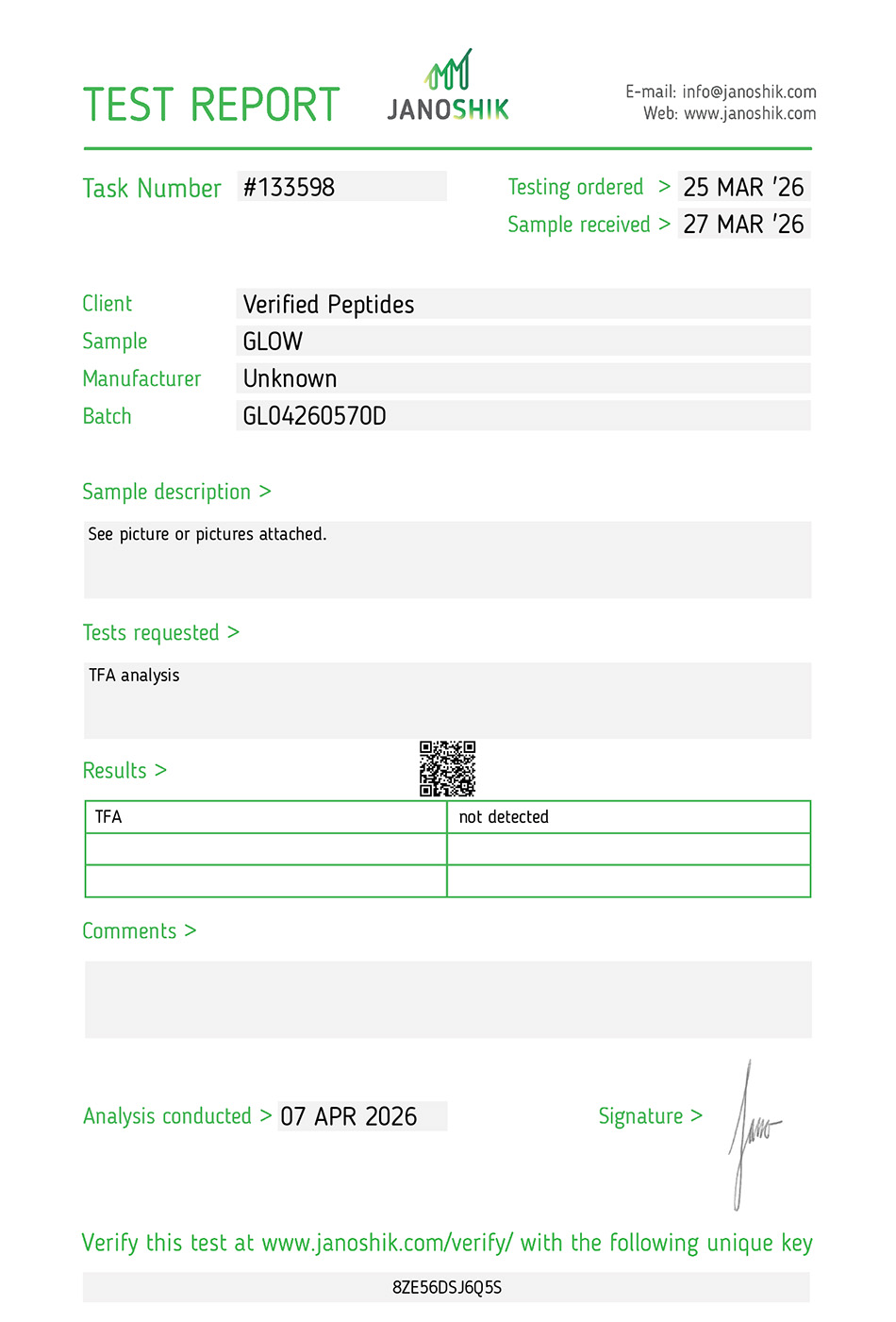
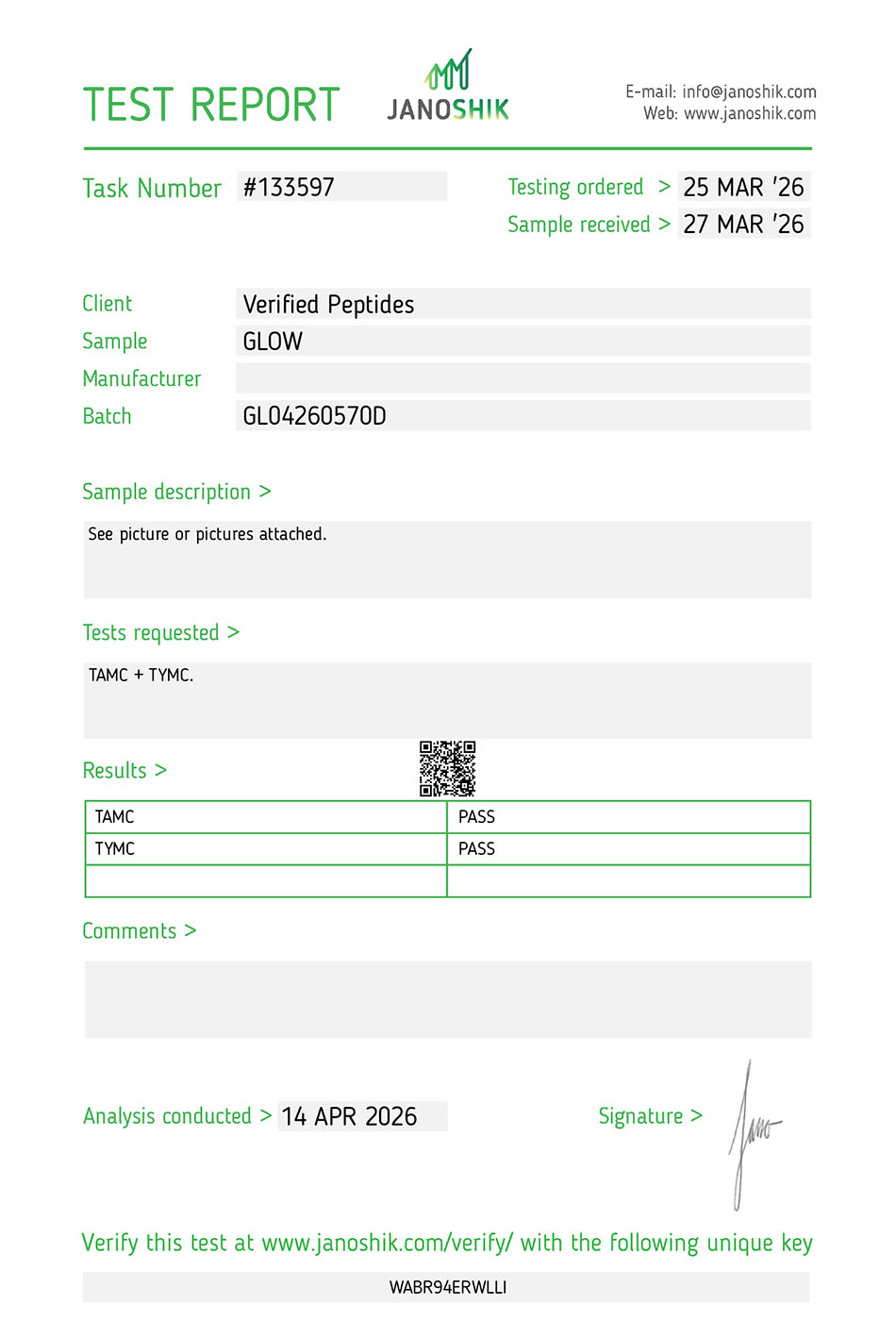
GHK-Cu (glycyl-L-histidyl-L-lysine bound to copper) provides critical antioxidant and anti-inflammatory functions that protect healing tissues from oxidative damage and excessive inflammatory stress—factors that commonly impair regeneration and promote fibrosis. This naturally occurring copper-binding tripeptide regulates gene expression patterns, activating protective genes while suppressing those involved in inflammation and tissue degradation. The copper component is essential for activity, with the GHK-Cu complex demonstrating effects not achieved by the peptide or copper alone. Recent research in Alzheimer’s disease models provides compelling evidence of GHK-Cu’s neuroprotective and anti-inflammatory capabilities. In 5xFAD transgenic mice—a model of early-onset AD—intranasal administration of GHK-Cu (15 mg/kg three times weekly for 12 weeks) produced remarkable outcomes: cognitive performance in Y-maze testing improved significantly, with treated mice performing nearly at wild-type control levels, indicating substantial restoration of working memory. Congo red staining revealed markedly fewer and smaller amyloid plaques in frontal cortex, hippocampus, and thalamus compared to untreated animals, demonstrating GHK-Cu’s capacity to reduce pathological protein aggregation. MCP-1 (monocyte chemoattractant protein-1) staining intensity—a neuroinflammation biomarker—was significantly reduced in treated animals, indicating effective downregulation of chemokine-related immune activation. The intranasal delivery route enabled direct brain access via olfactory and trigeminal pathways, bypassing the blood-brain barrier while maintaining low systemic copper levels to minimize toxicity risk. Beyond neurological applications, GHK-Cu supports tissue repair through multiple mechanisms: regulation of TGFβ1 signaling (linked to fibrosis and scar formation), modulation of matrix metalloproteinases controlling extracellular matrix remodeling, enhancement of collagen and glycosaminoglycan synthesis for structural integrity, and stimulation of angiogenesis supporting nutrient delivery to healing tissues. In the context of this three-peptide combination, GHK-Cu’s antioxidant and anti-inflammatory effects create a protected cellular environment where BPC-157’s structural reattachment and TB-500’s cellular coordination can proceed optimally, free from oxidative damage and excessive inflammatory interference.
Mechanistic Synergy: Complementary Pathways in Tissue Healing
The therapeutic rationale for combining BPC-157, TB-500, and GHK-Cu rests on their complementary mechanisms addressing different critical aspects of the healing cascade. Tissue repair proceeds through overlapping phases: hemostasis and initial inflammation, cellular proliferation and migration, angiogenesis and matrix deposition, tissue remodeling and maturation. Single-agent therapies typically target only one or two of these phases, creating potential bottlenecks where other rate-limiting steps remain unaddressed. The three-peptide combination systematically addresses multiple healing phases simultaneously. In the early inflammatory phase, GHK-Cu’s anti-inflammatory and antioxidant effects reduce excessive inflammatory damage and oxidative stress that can kill cells and delay healing progression. TB-500’s anti-inflammatory actions (suppressing TNF-α, NF-κB, and reducing neutrophil infiltration) complement this protection, while BPC-157’s cytoprotective mechanisms preserve tissue viability. This combined early-phase protection creates a more favorable environment for subsequent repair processes. During the proliferative phase, TB-500’s regulation of actin dynamics and cellular migration enables coordinated cell movement into the wound space, essential for tissue formation. BPC-157 simultaneously recruits mesenchymal stem cells and activates periosteal responses at structural attachment points, providing the cellular building blocks and scaffolding for tissue reconstruction. GHK-Cu supports this phase through stimulation of angiogenesis and regulation of growth factor expression, ensuring adequate vascular supply and signaling for sustained cellular activity. The remodeling phase reveals particularly important complementarity. BPC-157’s unique capacity for structural reattachment—muscle-to-bone and tendon-to-bone integration—requires coordinated collagen organization and bone formation at attachment sites. TB-500’s antifibrotic properties ensure that collagen deposition remains organized and functional rather than creating dense, non-functional scar tissue. GHK-Cu’s regulation of matrix metalloproteinases controls the balance between collagen synthesis and degradation, critical for remodeling healing tissue into functional architecture. This three-way coordination—structural integration (BPC-157), cellular organization and anti-fibrosis (TB-500), and matrix regulation (GHK-Cu)—creates conditions for functional regeneration rather than simple scar formation.
Vascular Restoration: Triple-Pathway Angiogenic Support
Adequate blood supply represents a critical requirement for successful tissue healing, as new vessels must deliver oxygen, nutrients, and immune cells to healing tissues while removing metabolic waste. All three peptides in this combination support angiogenesis through distinct mechanisms, creating robust vascular restoration that single-agent approaches might not achieve. This multi-pathway angiogenic support is particularly relevant for injuries with compromised blood supply—including surgical sites, chronic wounds, and ischemic tissues. BPC-157 promotes angiogenesis through nitric oxide pathway modulation, which regulates vascular tone and endothelial function. Studies demonstrate that BPC-157 effects involve the nitric oxide system, with the peptide influencing both NO production and downstream vascular responses. This mechanism supports both vessel formation and appropriate vascular reactivity in healing tissues. TB-500 stimulates angiogenesis through direct effects on endothelial cell migration and vessel formation. In cardiac ischemia models, TB-500 promoted new vessel growth in infarcted myocardium through activation of integrin-linked kinase pathways. Dermal and corneal studies consistently showed enhanced vascular density in TB-500-treated wounds. Notably, TB-500’s angiogenic effects appear context-dependent: promoting necessary vessel formation in ischemic tissues while avoiding unwanted angiogenesis in contexts (like corneal repair) where vessel growth would be detrimental. GHK-Cu supports angiogenesis through stimulation of VEGF (vascular endothelial growth factor) expression and direct effects on endothelial cell behavior. Its regulation of TGFβ1 signaling also indirectly influences angiogenesis, as this pathway plays important roles in vascular development and remodeling. The combined angiogenic effects create redundancy ensuring adequate vascular supply even when individual pathways face limitations. For example, in diabetic or aged animals where angiogenic responses are typically impaired, the multi-pathway stimulation may overcome these deficits more effectively than single agents. The resulting enhanced blood supply supports all subsequent healing phases, creating a well-perfused environment where cellular activities can proceed efficiently.
Inflammation Control: Multi-Target Anti-Inflammatory Effects
While acute inflammation is necessary for initiating healing responses, excessive or prolonged inflammation damages tissues, delays healing, and promotes fibrosis. The three-peptide combination provides multi-level inflammation control through distinct mechanisms, potentially achieving more balanced inflammatory responses than single agents. This is particularly relevant for conditions characterized by excessive inflammation—including autoimmune injuries, chronic wounds, and post-surgical complications. TB-500 demonstrates broad anti-inflammatory effects, suppressing multiple pro-inflammatory cytokines and chemokines including TNF-α, IL-1β, IL-6, and NF-κB signaling. In corneal injury models, TB-500 reduced inflammation by decreasing matrix metalloproteinase activity and inflammatory cell infiltration. Sepsis studies showed that TB-500 administration reduced mortality by downregulating systemic inflammatory cytokines. These effects suggest TB-500 acts as a broad-spectrum anti-inflammatory agent, dampening multiple inflammatory pathways simultaneously. GHK-Cu provides complementary anti-inflammatory effects through different mechanisms. In Alzheimer’s models, GHK-Cu significantly reduced MCP-1 (monocyte chemoattractant protein-1), a key chemokine recruiting inflammatory cells to tissues. This suggests GHK-Cu may particularly target chemokine-mediated inflammation—the signals that recruit immune cells to injury sites. By reducing excessive immune cell infiltration, GHK-Cu prevents the collateral tissue damage that inflammatory cells can cause. Additionally, GHK-Cu’s antioxidant properties indirectly reduce inflammation by preventing oxidative damage that triggers inflammatory responses. Oxidative stress and inflammation form a self-reinforcing cycle: oxidative damage activates inflammatory pathways, while inflammatory cells generate reactive oxygen species causing further oxidative damage. GHK-Cu’s ability to interrupt this cycle through antioxidant effects complements TB-500’s direct cytokine suppression. BPC-157 contributes anti-inflammatory effects through its cytoprotective mechanisms and modulation of vascular responses. By maintaining tissue viability and preventing necrosis, BPC-157 reduces the release of damage-associated molecular patterns (DAMPs) that trigger inflammatory cascades. The combined anti-inflammatory effects of all three peptides create a more controlled inflammatory environment—sufficient to initiate healing without causing excessive tissue damage or promoting fibrosis.
Musculoskeletal Repair: Synergistic Structural and Cellular Healing
Musculoskeletal injuries represent the most compelling application for this three-peptide combination, as they require precisely the complementary mechanisms each peptide provides. Complex musculoskeletal healing demands structural reattachment, coordinated cellular migration, angiogenesis, inflammation control, and prevention of excessive fibrosis—requirements that align directly with BPC-157, TB-500, and GHK-Cu’s documented effects. BPC-157’s demonstrated capacity for muscle-to-bone reattachment addresses what is typically a permanent failure of musculoskeletal healing. In quadriceps detachment models, BPC-157 achieved complete structural reattachment with muscle fiber integration into newly formed cortical bone—an outcome not achieved with any other pharmacological agent. This structural integration provides the mechanical foundation for functional recovery. However, structural reattachment alone would be insufficient without proper cellular organization and matrix remodeling—precisely where TB-500’s coordinating role becomes critical. TB-500’s regulation of actin dynamics and cellular migration ensures that cells populate healing tissues in organized patterns rather than random clusters. In tendon and ligament injuries, proper alignment of fibroblasts and their deposited collagen determines whether healing tissue possesses functional strength or merely forms weak scar tissue. TB-500’s documented effects on cellular migration and matrix organization, combined with its antifibrotic properties, support functional tissue architecture. Studies showed TB-500 treatment resulted in organized collagen deposition with proper fiber alignment, contrasting with the disorganized scar formation seen in controls. GHK-Cu’s contribution to musculoskeletal healing involves regulation of matrix metalloproteinases (MMPs) and their inhibitors (TIMPs), which control the balance between collagen synthesis and degradation during remodeling. Proper MMP/TIMP balance is essential for remodeling healing tissue into functional architecture—excessive MMP activity degrades tissue prematurely, while insufficient MMP activity prevents removal of disorganized matrix. GHK-Cu’s regulation of this balance, combined with its antioxidant protection of healing tissues from oxidative damage, supports the long remodeling phase where healing tissue gradually transforms into functional tissue. Together, the three peptides address the complete arc of musculoskeletal healing: BPC-157 reestablishes structural attachments, TB-500 coordinates cellular organization and prevents fibrosis, and GHK-Cu regulates matrix remodeling and provides antioxidant protection.
Neuroprotection: Complementary Brain and Nerve Healing
While musculoskeletal applications may seem most obvious for this combination, emerging evidence suggests significant potential for neurological protection and repair. Both TB-500 and GHK-Cu demonstrate documented neuroprotective effects in preclinical models, while BPC-157’s vascular and cytoprotective properties may support neural tissue perfusion and viability. This creates a complementary neuroprotective system addressing oxidative stress, inflammation, and cellular survival in neural tissues. GHK-Cu’s effects in Alzheimer’s models demonstrate remarkable neuroprotective capacity. The significant reduction in amyloid plaques, decreased neuroinflammation (measured by MCP-1 staining), and improved cognitive performance (Y-maze testing) indicate that GHK-Cu can modify multiple pathological processes in neurodegenerative disease. The intranasal delivery route enabling direct brain access suggests potential for bypassing blood-brain barrier limitations that restrict many therapeutic agents. GHK-Cu’s mechanisms appear to involve antioxidant protection of neurons from oxidative damage, anti-inflammatory effects reducing microglial activation and neuroinflammation, modulation of gene expression patterns favoring neuroprotection, and potential effects on protein aggregation reducing pathological deposits. TB-500’s neuroprotective effects complement GHK-Cu through different mechanisms. In excitotoxicity models, TB-500 prevented hippocampal neuron loss—a direct cytoprotective effect on neural cells. In multiple sclerosis models, TB-500 promoted functional recovery, reduced CNS inflammation, and increased mature oligodendrocyte numbers, suggesting enhancement of remyelination. These findings indicate TB-500 supports both neuron survival and glial cell function, critical for maintaining neural network integrity. TB-500’s anti-inflammatory effects in neural tissues complement GHK-Cu’s MCP-1 suppression, creating multi-level inflammation control in the brain. BPC-157’s potential contribution to neuroprotection, while less directly studied in CNS models, likely involves vascular support and cytoprotection. Neural tissues have extremely high metabolic demands requiring robust blood supply—BPC-157’s angiogenic and vascular modulatory effects may support optimal neural perfusion. Additionally, BPC-157’s documented cytoprotective mechanisms reducing tissue necrosis could protect neurons from ischemic or toxic damage. The combination creates a comprehensive neuroprotective system: GHK-Cu addresses oxidative stress and amyloid pathology, TB-500 supports cellular survival and reduces neuroinflammation, and BPC-157 maintains vascular supply and tissue viability.
Temporal Dynamics: Coordinated Support Across Healing Phases
Tissue healing proceeds through distinct temporal phases, each with specific cellular activities and requirements. The three-peptide combination provides phase-appropriate support throughout this extended process, from immediate post-injury responses through long-term remodeling. Understanding these temporal dynamics helps explain why multi-peptide approaches may outperform single agents that optimize only specific healing phases. In the immediate post-injury period (hours to days), inflammation control and cytoprotection are paramount. Excessive early inflammation damages tissues and establishes conditions for poor healing outcomes, while cell death in the injury zone reduces the cellular resources available for subsequent repair. GHK-Cu’s antioxidant effects and TB-500’s anti-inflammatory actions provide immediate protection, while BPC-157’s cytoprotective mechanisms preserve tissue viability. This early protection creates a more favorable starting point for subsequent healing phases. During the proliferative phase (days to weeks), cellular migration, angiogenesis, and matrix deposition dominate. TB-500’s coordination of cellular migration ensures proper cell positioning, while all three peptides contribute to angiogenesis through their distinct mechanisms. BPC-157’s recruitment of mesenchymal stem cells and periosteal activation initiate structural reconstruction, supported by TB-500’s effects on cellular organization and GHK-Cu’s stimulation of collagen synthesis. The coordinated effects during this critical phase establish the structural framework that subsequent remodeling will refine. The remodeling phase (weeks to months) involves gradual transformation of healing tissue into functional tissue through controlled matrix turnover and cellular reorganization. GHK-Cu’s regulation of matrix metalloproteinases controls this remodeling process, while TB-500’s antifibrotic effects prevent excessive collagen deposition that would create stiff, non-functional scar tissue. BPC-157’s continued support of structural integration ensures that remodeling proceeds with maintained attachment integrity. The extended duration of this phase—documented as 90 days in BPC-157 muscle reattachment studies—emphasizes the importance of sustained multi-pathway support rather than brief interventions targeting only acute phases.
Research Context and Limitations
While the mechanistic rationale for combining BPC-157, TB-500, and GHK-Cu is compelling based on their documented individual effects, important limitations must be acknowledged. No controlled studies have directly examined this specific three-peptide combination. The synergy hypothesis extrapolates from individual peptide characterization in separate preclinical models using different species, injury types, and administration routes. Whether the predicted complementary effects actually manifest when all three peptides are combined remains to be empirically validated. The individual peptide studies employed different experimental approaches: BPC-157 research primarily used oral administration in rat musculoskeletal injury models, TB-500 studies employed both topical and systemic administration across multiple species and tissue types, and GHK-Cu characterization featured intranasal delivery in mouse neurological models. Translating these diverse findings into an optimal combination protocol requires addressing questions of dosing ratios, administration routes, treatment timing, and duration—parameters that remain undefined without direct combination studies. Additionally, potential interactions between peptides—whether synergistic, additive, or in some cases potentially antagonistic—have not been systematically evaluated. Species differences in peptide responses represent another consideration. While preclinical models provide valuable mechanistic insights, rats, mice, and other laboratory animals may respond differently than humans to peptide therapies. Receptor expression patterns, metabolic pathways, and healing kinetics can vary across species, potentially limiting direct translation of animal findings. Most critically, all data supporting this combination derive from animal research—the effects, safety, optimal dosing, and efficacy in humans remain completely undefined without clinical investigation. These peptides remain research tools, and substantial clinical validation would be required before any therapeutic applications could be considered.
Conclusion
The combination of BPC-157, TB-500, and GHK-Cu represents a mechanistically rational integration of three regenerative peptides with complementary effects on tissue healing. BPC-157 provides unique capacity for structural reattachment—particularly muscle-to-bone and tendon-to-bone healing—through periosteal activation, mesenchymal stem cell recruitment, and vascular support. TB-500 coordinates cellular migration, prevents excessive fibrosis, and provides broad anti-inflammatory effects critical for organized tissue reconstruction. GHK-Cu contributes antioxidant protection, anti-inflammatory regulation, and matrix remodeling control while demonstrating remarkable neuroprotective properties in Alzheimer’s models. The complementary mechanisms create a multi-phase healing support system: early cytoprotection and inflammation control (all three peptides through distinct pathways), proliferative phase support including angiogenesis (triple-pathway vascular stimulation), cellular coordination, and matrix formation (TB-500 and GHK-Cu), structural integration through periosteal activation and stem cell recruitment (BPC-157), and remodeling phase regulation preventing fibrosis while supporting functional tissue architecture (TB-500’s antifibrotic effects and GHK-Cu’s MMP regulation). This comprehensive coverage of healing phases provides strong theoretical rationale for combination use. However, it is crucial to emphasize that this rationale derives entirely from separate preclinical studies of individual peptides, not from controlled investigation of the three-peptide combination. The proposed synergies represent mechanistic hypotheses based on documented individual effects rather than validated combination outcomes. All supporting data come from animal research using rats, mice, and other laboratory species in specific injury models. The effects, optimal dosing, safety profiles, and actual synergistic benefits of this specific combination in humans remain completely undefined without clinical trials. These peptides remain research tools requiring substantial additional investigation—including direct combination studies and eventual human trials—before any therapeutic applications could be considered. Nevertheless, the convergence of distinct mechanisms addressing complementary healing phases, supported by robust preclinical evidence for each component, makes this combination a scientifically compelling subject for continued investigation in appropriate research contexts.