Does GHK Cu help with brain health or cognition?
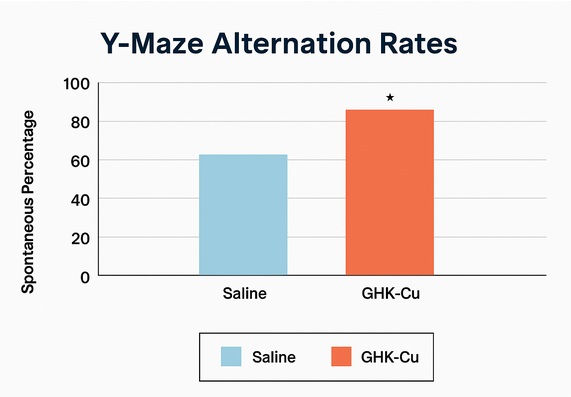
In recent animal research, GHK-Cu peptide improved memory and cognitive function in mice with Alzheimer’s-like pathology. Treated animals showed enhanced performance in behavioral tests, such as the Y-maze, indicating improved working memory and restored neural function. These effects are attributed to GHK-Cu’s antioxidant, anti-inflammatory, and neuroprotective properties.
What are the results of the newest GHK Cu studies?
The GHK-Cu latest research in 5xFAD transgenic mice demonstrated that intranasal GHK-Cu significantly reduced amyloid plaque formation, lowered neuroinflammation markers, and improved cognitive outcomes. The findings suggest that GHK-Cu acts through multiple biological pathways to counteract Alzheimer’s-related degeneration.
How is GHK-Cu administered in animal trials?
In this study, researchers delivered GHK-Cu copper peptide intranasally at a dose of 15 mg/kg, three times per week for 12 weeks. The intranasal route was chosen for its ability to bypass the blood-brain barrier, allowing the peptide to reach brain tissue more effectively while minimizing systemic copper exposure.
What are the anti-inflammatory effects of GHK-Cu in Alzheimer’s models?
GHK-Cu reduced inflammation in the brain by decreasing MCP-1 (monocyte chemoattractant protein-1) staining intensity in the frontal cortex and hippocampus. This reduction indicates lower immune activation and diminished neuroinflammatory stress, which are critical in slowing Alzheimer’s progression.
What is the GHK-Cu peptide and how does it work?
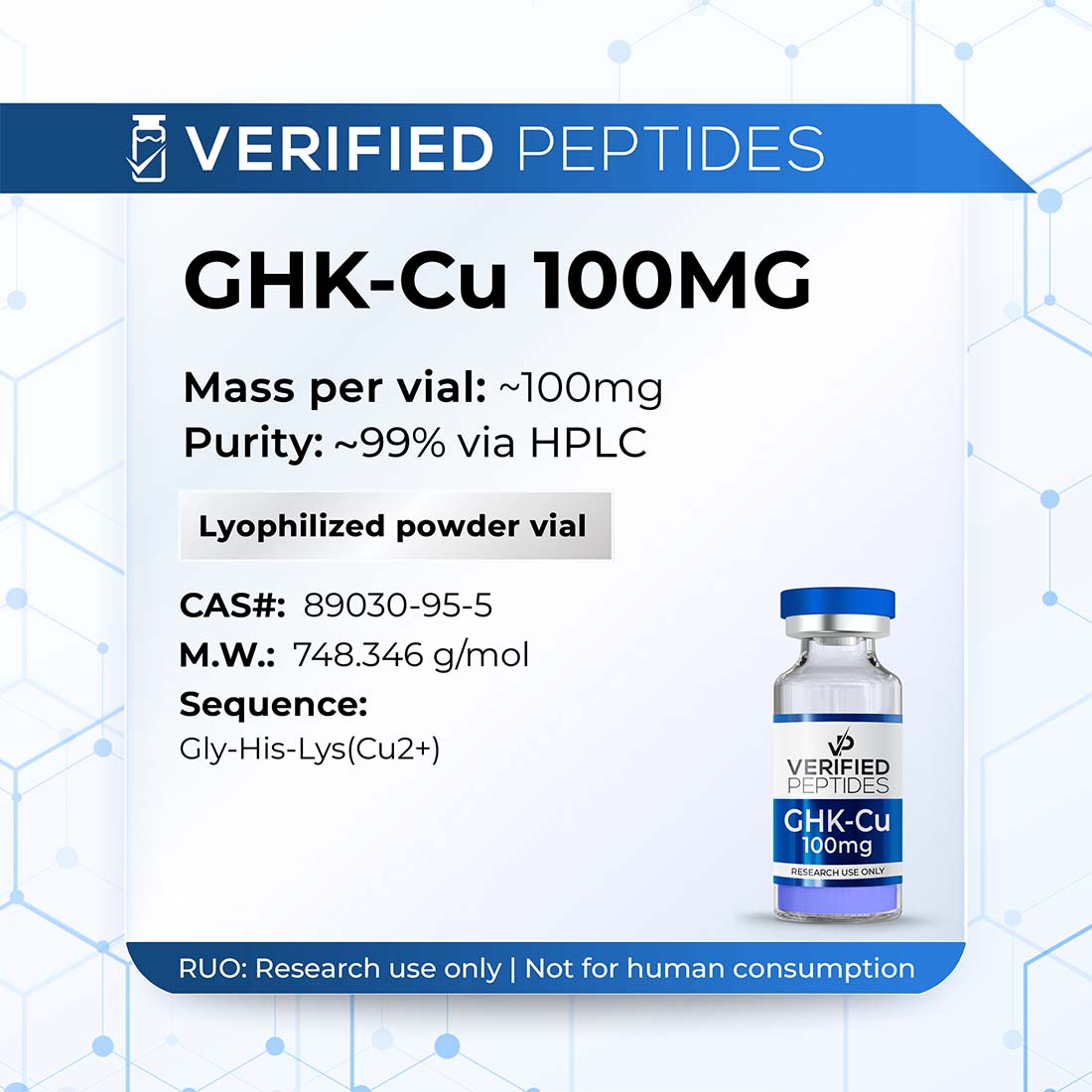
The GHK-Cu peptide is a naturally occurring copper-binding tripeptide (glycyl-L-histidyl-L-lysine). In animal brains, it supports cellular repair, combats oxidative stress, and regulates inflammatory signaling pathways. Its copper-bound form (GHK-Cu) activates protective genes and suppresses those involved in tissue damage and neuroinflammation.
How does intranasal administration improve peptide delivery?
Intranasal administration enables direct access to the brain via the olfactory and trigeminal neural pathways, effectively bypassing the blood-brain barrier. This approach improves GHK-Cu peptide bioavailability in the central nervous system and avoids potential toxicity associated with systemic copper overload.
What were the key behavioral outcomes in the Y-maze test?
Mice treated with GHK-Cu copper peptide exhibited significantly higher spontaneous alternation percentages in the Y-maze, a measure of working memory. Males improved as early as week 4, while females showed strong gains by week 8, with both groups nearing the performance levels of healthy wild-type controls.
Can GHK-Cu reduce amyloid plaque accumulation?
Congo red staining revealed that GHK-Cu–treated mice had substantially fewer amyloid plaques across the frontal cortex, hippocampus, and thalamus. The plaques were smaller, less dense, and less numerous than in untreated mice, demonstrating the peptide’s potential to mitigate amyloid-related toxicity.
How is GHK-Cu copper peptide different from topical cosmetic formulations?
Topical GHK-Cu formulations are designed for skin regeneration and anti-aging, acting locally to stimulate collagen production and wound repair. In contrast, the GHK-Cu peptide used in neuroscience research is administered systemically at controlled doses to influence brain pathways and cognitive function—representing a completely different therapeutic application.